Facts checked 2026-11-15.
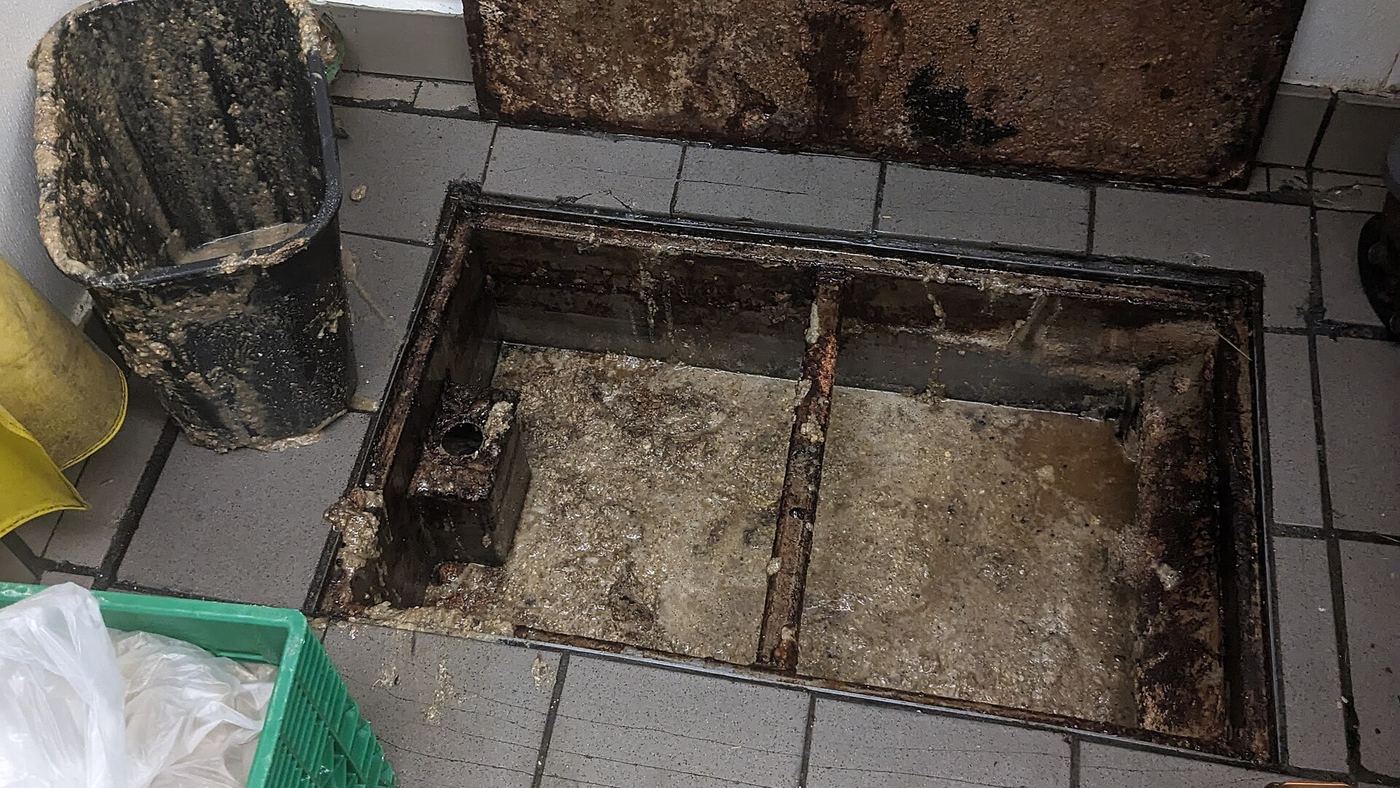

A restaurant grease trap catches fats before they reach the sewer. Pumping it is a regulated job in Georgia, with a state registration for the hauler and a local permit for the truck. Send your request to Georgia Commercial Kitchen Connect and it goes to a grease hauler or plumber near you.
Who is responsible for the waste
Under EPD Rule 391-3-6-.24, what comes out of a grease interceptor at a food business counts as commercial waste. The rule calls the owner or operator of the interceptor the originator. In plain terms, that is you, the restaurant.
What the hauler must have
- A state registration. Registration numbers start with "FOG".
- A permit for each truck. The local government inspects the truck, and the permit is good statewide. It has 30 days to issue or deny one.
- A full pump-out. The hauler removes everything in the interceptor.
- An approved dump site. Waste may not be mixed with hazardous or septic waste.
- A manifest for every stop. It has sections for you, the hauler and the disposal site.
Ask the hauler for its EPD registration number and the local permit number for the truck before you pay. EPD's page says the hauler registration form is posted through the Southeastern FOG Alliance.
Get prices for this job. Send one request and pick how many local companies quote it.
Get quotesYour records
You may use only a permitted transporter. Keep your copies of the manifests for three years and have them ready for an inspector.
The sewer utility sets the schedule
The state rule gives no pumping interval. The local sewer utility's grease program sets how often your trap is pumped and what it wants on file. Two examples from metro Atlanta show how far local programs can differ.
In Atlanta, the Department of Watershed Management runs a Grease Management Program. A facility applies, pays a permit fee based on the number of traps, and agrees to inspections. Before a plumbing permit, the city asks for floor plans showing the equipment and its connection to the sanitary line, plus trap specifications.
In Gwinnett County, the water department has run a prevention program since 2000, and county inspectors check businesses. Its ordinance reaches any kitchen, not only restaurants.
Building a new kitchen
Under Rule 511-6-1-.06, a grease trap must be placed where it is easy to reach for cleaning. Put it where a hauler's hose can get to it, and ask the utility about sizing before your plumbing permit is pulled.
What to have ready
A hauler will ask where the trap sits, how large it is and when it was last pumped. Dig out your last manifest, and the utility permit if your city or county issues one to restaurants. A trap that is hard to reach may take longer to pump, which is another reason to place it with access in mind when the kitchen is built.
Questions
Who regulates grease trap haulers in Georgia?
The Environmental Protection Division registers haulers under Rule 391-3-6-.24, and the local government inspects and permits each truck.
How long do I keep grease trap manifests in Georgia?
Three years. The rule makes the restaurant, as the originator, keep its copies and show them on inspection.
How often should a Georgia grease trap be pumped?
The state rule sets no number. Ask your sewer utility's grease program what it expects at your address.
Does a grease trap have to be easy to reach?
Yes. Rule 511-6-1-.06 says a trap, if used, must be located so it is easy to reach for cleaning.