Facts checked 2026-11-15.
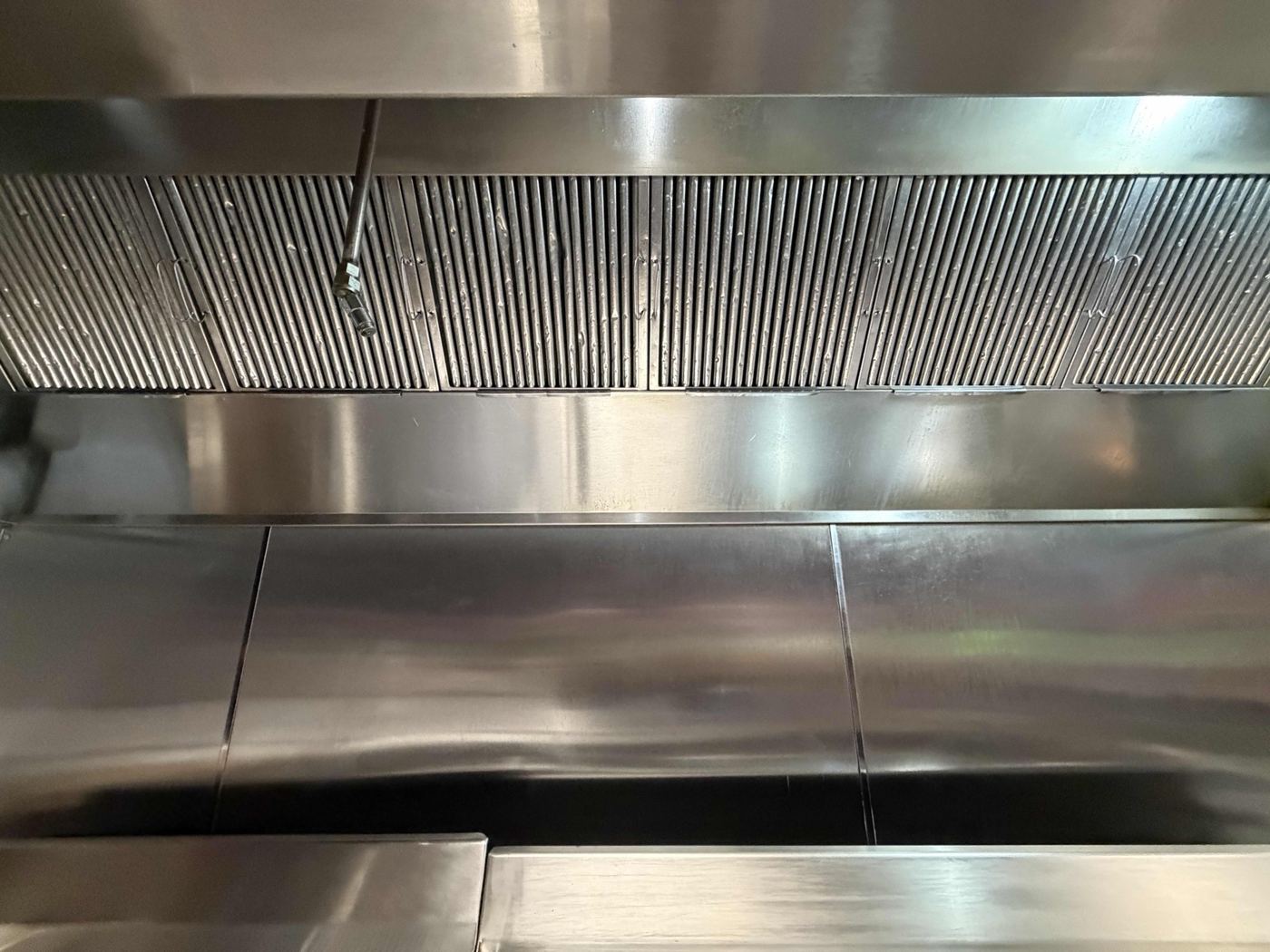
Grease builds up inside a kitchen hood, its filters, the duct and the fan. Send us your Georgia ZIP and the cleaning job, and Georgia Commercial Kitchen Connect passes the request to a hood cleaning company that serves your area.
What gets cleaned
A full cleaning covers the whole path the smoke takes: the hood, the filters, the duct and the exhaust fan. Ask any company whether its price and visit cover all of it or only the hood and filters.
What Georgia's fire rule says
Rule 120-3-3 adopts the 2024 edition of NFPA 96, the national standard for ventilation control and fire protection of commercial cooking. It took effect on May 27, 2025. The Georgia fire code adds that the cooking appliances and every part of the ventilation system are operated and maintained under that standard.
The standard sets the cleaning schedule. We do not copy it here. Your fire marshal or your insurer can tell you which schedule your kitchen follows.
Get prices for this job. Send one request and pick how many local companies quote it.
Get quotesWhat the health rules add
The health office looks at hoods for a different reason, sanitation. Rule 511-6-1-.05 says hood systems must keep grease from dripping on food or equipment, and filters must pull out easily. Rule 511-6-1-.07 says exhaust and intake ducts are cleaned and filters changed so they do not become a source of contamination.
A license that does not exist
Georgia's fire company licensing rule, 120-3-23, covers portable extinguishers and kitchen suppression systems. Duct cleaning is not on its list, and no other state license for cleaners turned up in our research. So the local fire marshal, the authority having jurisdiction, decides what training or proof it accepts. Call before you hire and ask what it wants to see afterward, such as a service report or a sticker on the hood.
Where cleaning meets the suppression system
A cleaner often works right beside the suppression system. Cooking must stop if that system is impaired. Only a firm licensed under Rule 120-3-23 may service or repair it. During a cleaning visit, read the blue tag on the system and note its date.
What to ask before you book
- Does the company clean the hood, filters, duct and fan, or only some of them?
- Can it reach every section of duct, and where would new access panels go?
- What does it leave behind: a report, photos or a dated sticker?
- Can it send an insurance certificate?
- Does it meet what your fire marshal accepts?
File each report in the kitchen office, where you can show it to the fire marshal or your insurer.
Keeping the records
A cleaning visit helps only if the paperwork lands somewhere you can find it. Ask the company for a dated report after each visit and file it with the kitchen's other safety papers. The fire marshal may ask for it at an inspection, and an insurer may ask for it after a claim. If the marshal wants a sticker on the hood, make sure the date on it matches the report.
Questions
How often does a Georgia restaurant hood need cleaning?
NFPA 96 sets the schedule, and Georgia adopts it. Ask the local fire marshal which schedule applies to your kitchen.
Does Georgia license hood cleaning companies?
Not under Rule 120-3-23, which covers extinguishers and suppression systems only. Ask your fire marshal what proof of training it accepts.
What do Georgia health inspectors check on a hood?
Rule 511-6-1-.05 says the hood must stop grease dripping onto food, equipment or utensils, and filters must be easy to remove for cleaning.
Who enforces the hood rules in Georgia?
The local fire marshal enforces the fire code and NFPA 96, and the county health office enforces the food service rules.